Reiki for Beginners: What It Is, What to Expect, and How to Start
By Reverend Michael Allison · September 7, 2026
Topics: Reiki Basics Reiki Levels and Training

Maybe a friend mentioned Reiki after going through a hard season. Maybe you stumbled across it while searching for ways to feel less scattered and more like yourself. Whatever brought you here, the curiosity you feel is worth following. Reiki is one of the gentlest, most accessible healing practices available, and you do not need any special background to begin exploring it.
What is Reiki and how does a beginner get started?
Reiki is a Japanese energy healing practice where a practitioner channels life-force energy through their hands, either lightly touching the body or holding them just above it. Most beginners start by receiving a session, which runs 45 to 90 minutes. Learning Reiki yourself begins with Level 1 training.
What Reiki Actually Is
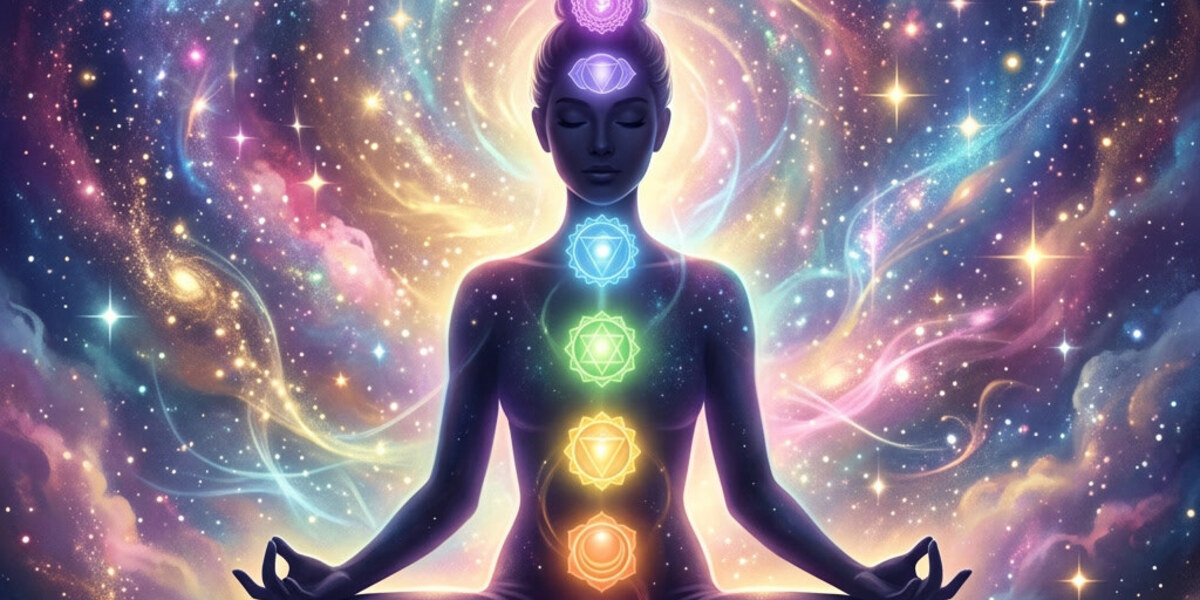
Reiki is a Japanese energy healing practice that works with the idea that life-force energy flows through every living being. When that energy flows freely, we tend to feel balanced, clear, and well. When it stagnates or becomes disrupted, we often notice it as tension, fatigue, emotional heaviness, or a general sense of being off.
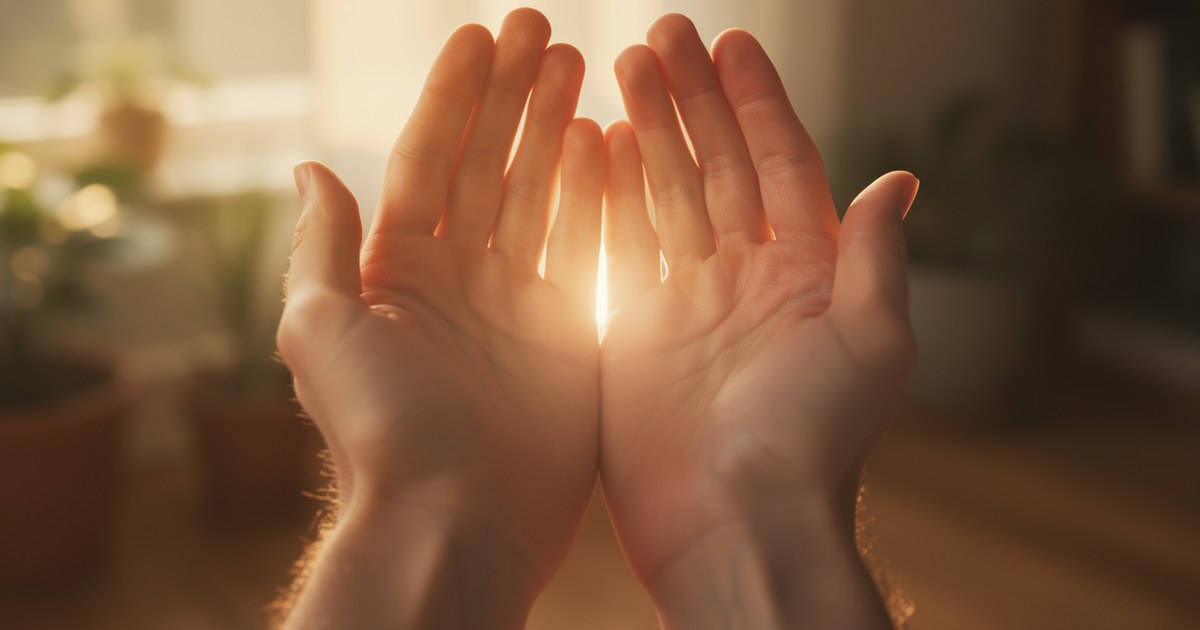
A Reiki practitioner channels this universal energy through their hands, either by lightly touching specific areas of the body or by holding their hands just above the surface. The energy goes where it is needed. The practitioner serves as a clear channel, not the source of the energy itself.
What Reiki Is Not
Reiki is not a religion, and you do not need to hold any particular belief to benefit from it. It does not require you to give up your faith tradition or adopt a new one. Many people who practice Reiki are Christian, Jewish, Buddhist, or spiritual but not affiliated with any organized religion at all.
Reiki is also not massage, though both can be deeply relaxing. Massage works with muscle tissue and physical structure. Reiki works with the energy body, and a session often involves very little physical contact. The two practices complement each other beautifully, but they are not the same thing.
What a Reiki Session Actually Feels Like
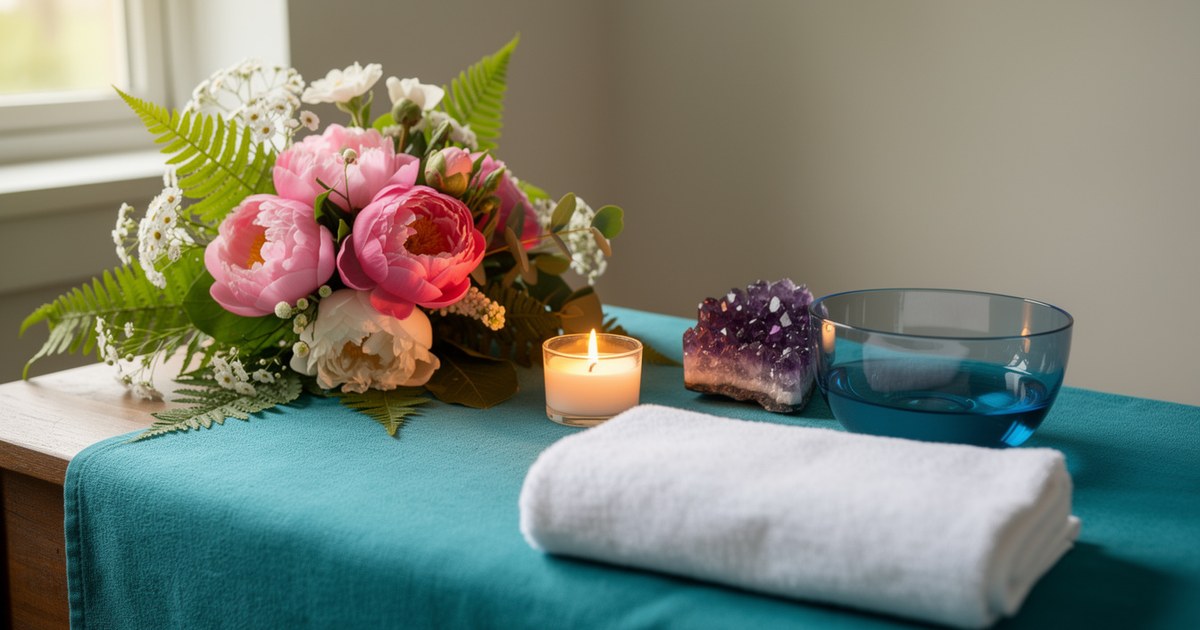
Most people describe a Reiki session as deeply peaceful, even on their very first visit. You lie fully clothed on a comfortable table while the practitioner moves slowly through a series of hand positions. Sessions typically run between 45 and 90 minutes, depending on the practitioner and the format.
Common experiences during a session include:
- A spreading warmth or tingling in the body, especially under the practitioner's hands
- A feeling of heaviness or gentle pressure as the body relaxes deeply
- Emotional releases like unexpected tears or a wave of relief
- Vivid mental images, colors, or a quiet sense of inner stillness
- Falling into a light, restful sleep
Not every experience looks the same. Some people feel a great deal during their first session, and others simply feel rested and calm. Both responses are completely normal. The energy is still working even when the experience seems quiet.
The Five Reiki Principles and Why They Matter Even Before Your First Session
Reiki is not only something that happens on a table. It is also a way of approaching daily life. Mikao Usui, the founder of the Usui Reiki tradition, taught five simple principles as the ethical and spiritual foundation of the practice.
- Just for today, I will not be angry.
- Just for today, I will not worry.
- Just for today, I will be grateful.
- Just for today, I will do my work honestly.
- Just for today, I will be kind to every living thing.
The phrase "just for today" carries real wisdom. It does not ask you to transform your entire life at once. It asks you to come back to these intentions one day at a time, which is something anyone can actually do.
The Three Levels of Reiki Training
If you decide you want to learn Reiki yourself, rather than only receive it, the training is organized into three main levels. Each level is opened through a process called an attunement, which is a sacred energy transmission given by a Reiki Master Teacher.
Level 1 focuses on self-healing and introduces you to the basic hand positions. You learn to work with your own energy and the energy of those close to you. Level 2 deepens the practice by introducing Reiki symbols and teaching you how to send healing across distance and time. The Master level trains you to teach and attune others, carrying the lineage forward.
You do not need to commit to all three levels right away. Many people spend months or years working with Level 1 before they feel drawn to go further. The practice meets you where you are.
Simple Ways to Connect with Reiki Energy Right Now
Even before you receive a formal attunement, you can begin tuning in to the energy in your hands. Try this simple exercise before bed or first thing in the morning.
- Sit comfortably and close your eyes. Take three slow, deep breaths.
- Rub your palms together briskly for about 10 seconds, then hold them a few inches apart.
- Notice any warmth, tingling, or a slight magnetic feeling between your palms.
- Rest your hands gently on your heart or your belly and simply breathe for a few minutes.
- Set a quiet intention for your own well-being before you begin your day.
This is not a substitute for a proper attunement, but it does begin to build your awareness of subtle energy. Sensitivity to energy is a skill, and like any skill, it deepens with gentle, consistent practice.
How to Choose Your First Step
If you are brand new to energy healing, receiving a session from a trained practitioner is a wonderful place to start. You get to experience the practice from the inside before you decide whether you want to learn it yourself. If you feel a strong pull toward learning, looking into a beginner Reiki class or attunement is a natural next step.
The most important thing is not to overthink it. Reiki is, at its heart, a practice of presence, compassion, and trust. Those are things you are already capable of. The practice simply gives them a form.
Keep reading: What Holistic Education Actually Means for Adults
Frequently Asked Questions
Do I have to believe in Reiki for it to work?
Belief is not required. Reiki is not dependent on your level of faith in it, any more than sleep requires you to believe in rest. Many people come to their first session feeling skeptical and leave surprised by what they experienced. An open mind is enough to begin.
Is Reiki safe for everyone?
Reiki is a gentle, non-invasive practice that is widely considered safe for people of all ages and backgrounds. It works alongside other wellness approaches rather than against them. If you have specific health concerns, speak with your healthcare provider about adding energy work to your existing routine.
How many sessions do I need before I notice a difference?
Some people notice a shift after a single session, while others find that the benefits build gradually over several visits. There is no fixed number that works for everyone. Your own awareness, consistency, and willingness to be present with the process all play a role in how the practice unfolds for you.
What is the difference between receiving Reiki and learning Reiki?
Receiving Reiki means experiencing a session given by a trained practitioner, which is a wonderful way to support your own well-being. Learning Reiki means going through an attunement yourself so you can practice self-healing and eventually work with others. Both paths have real value, and one does not require the other.
Ready to Experience Reiki for Yourself?
Whether you want to receive a session or learn the practice from the ground up, Rev. Michael is here to guide your first step with care and clarity.
What Is Reiki? Receiving Your Attunement📅 Upcoming Events
- Nov 1 Day of the Dead Mystical Market – FREE Event | Madison Heights, MI
- Nov 5 Money Elixir Workshop
- Nov 8 Scorpio New Moon Sound Bath: Descent & Return | Madison Heights, MI
- Nov 19 Crystal Magic 101: Your First Step Into Sparkle with Michael Allison
- Nov 21 Holiday Metaphysical Market – FREE Event | Madison Heights, MI