Spiritual Healing Benefits and What People Report
By Reverend Michael Allison · October 4, 2026
Topics: Energy Healing

Many people come to spiritual healing after a long stretch of feeling tired, scattered or disconnected. They are not looking for a miracle. They want to feel a little more like themselves again.
If that sounds familiar, this guide is for you. We will look at what spiritual healing is, what people commonly report, and how you can explore it at your own pace.
What Spiritual Healing Means
Spiritual healing benefits are the personal changes people report after energy-based practices, such as feeling calmer, lighter, more grounded and more connected to themselves. Experiences differ from person to person. Many people describe better rest, clearer thinking and a steadier mood in daily life.
Spiritual healing is a broad name for practices that work with the whole person, including body, mind and spirit. Reiki, meditation, prayer, sound work and flower essences all belong to this family. Each one invites your attention inward and asks you to slow down.
Most traditions share one simple idea. Life energy moves through us, and we feel best when we are rested, open and in tune with it. Spiritual healing gives that idea a practical form you can try.
Benefits People Commonly Report
Nobody can promise a result, and every person experiences these practices differently. Still, certain themes come up again and again when people describe how they feel afterward.
- A deeper sense of calm. Many people say their shoulders drop and their breathing slows during a session.
- Better rest. Some notice they fall asleep more easily on the evening after a session.
- Clearer thinking. A quiet hour often makes it easier to see what matters most.
- Emotional steadiness. People often describe feeling less reactive to everyday stress.
- Connection. Many feel closer to themselves, to loved ones and to something larger than their daily worries.
- Self-awareness. Regular practice helps you notice your own moods and patterns sooner.
These are personal experiences, not promised outcomes. Think of them as things people tend to notice when they give themselves quiet time with intention.
Why It Feels Different From Ordinary Rest
Scrolling on the couch is a kind of rest, but it rarely leaves you feeling renewed. Spiritual healing asks for focused, kind attention. That small shift changes the experience a great deal.
When you lie still, breathe slowly and set an intention, your body gets a clear signal that it is safe to settle. Many people find that this alone feels like a gift. A caring practitioner holding the space adds another layer of comfort.
What a Session Usually Looks Like
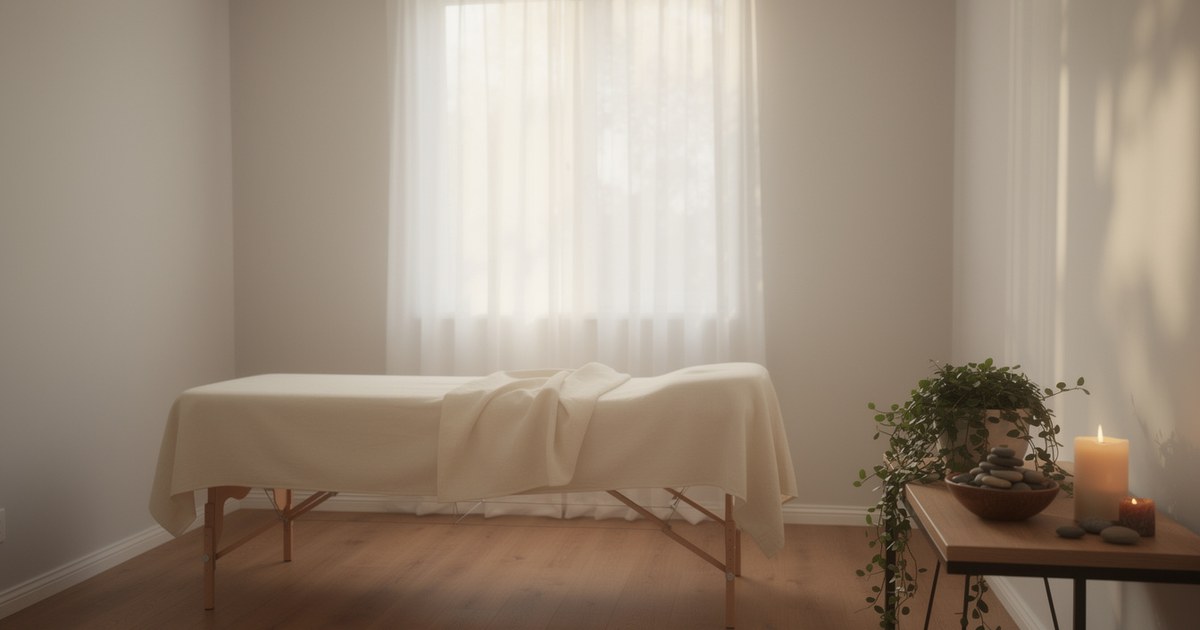
A first session is quieter than most people expect. You stay fully clothed and rest on a table or chair while soft music plays. The practitioner places their hands lightly on or just above you, often moving from head to feet.
People describe warmth, tingling, gentle pulsing or simply deep stillness. Some feel very little and still leave refreshed. Both responses are normal, and nothing is required of you except to relax.
Simple Ways to Begin at Home
You do not need a special room or years of study to start. A few small habits can give you a real taste of the practice.
- Sit for five minutes each morning and breathe slowly, counting each exhale.
- Place one hand on your heart and one on your belly, then notice the warmth.
- Write down three things you feel grateful for before bed.
- Walk outside barefoot on grass for a few minutes to feel grounded.
- Set one clear, kind intention for the day and return to it at lunch.
Consistency matters more than length. Five calm minutes every day will teach you more than one long session each month.
How to Choose a Practitioner
Look for someone who explains their training and lineage openly. A good practitioner listens first, answers your questions plainly and never pressures you to book more sessions. They should also be honest about what the practice can and cannot do.
Trust your own response. If you feel safe, respected and relaxed in the first few minutes, that is a good sign.
Keep It Grounded
Spiritual healing works best alongside the rest of your care, not instead of it. If you have worries about your body or mind, please talk with your doctor or a licensed professional. Many people find that the two approaches support each other nicely.
Stay curious and keep expectations gentle. The most lasting changes usually come quietly, through small habits repeated over time.
Frequently Asked Questions
Is spiritual healing the same as Reiki?
Reiki is one form of spiritual healing. It uses light, hands-on or hands-near touch to work with life energy. Other forms include meditation, prayer, sound work and flower essences.
Do I need to believe in it for it to work?
No belief is required. Many first-time visitors arrive simply curious. An open mind and a willingness to relax are plenty.
How many sessions should I try?
Some people feel a difference after one visit, while others prefer a series. Start with a single session and notice how you feel over the following week. Then decide what fits your life.
Can I combine it with other care?
Yes. Spiritual healing is meant to complement your regular care. Always keep your doctor informed about the choices you make for your wellbeing.
Curious what a session feels like?
Explore our healing services to see what a gentle first visit looks like. You can also ask Rev. Michael any question before you book.
Our Healing Services Ask Rev. Michael